- Prune
- Posts
- Stacks and stacks of Martha Stewart
Stacks and stacks of Martha Stewart
How a collector and shop owner in Maine came into a near-complete archive of "Martha Stewart Living."

Tyler Watamanuk
23 Oct
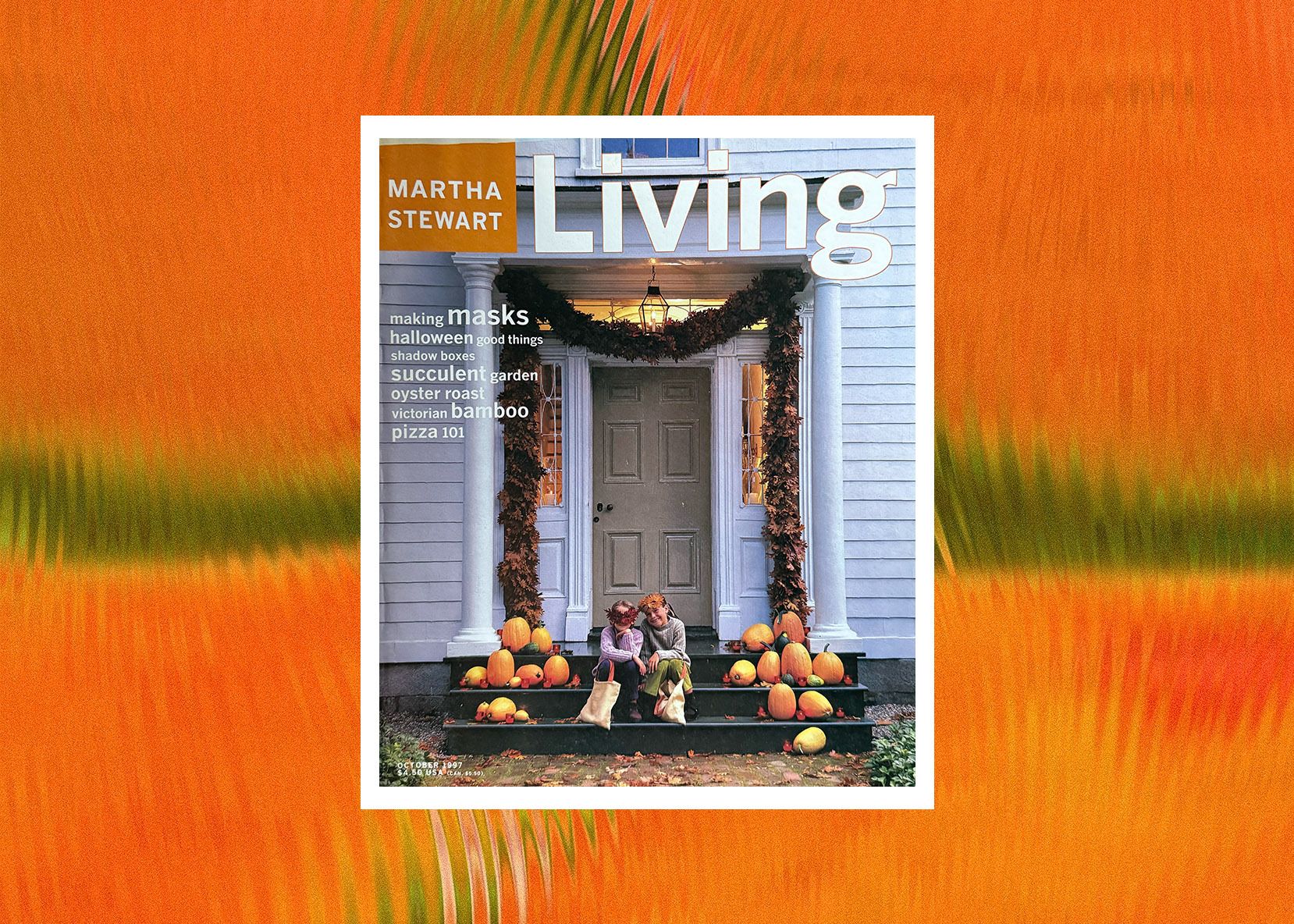
Tyler Watamanuk talks with Alexander Widener about collecting and his newly acquired trove of vintage Martha magazines.

Alexander Widener’s first memory of Martha Stewart involves a hot glue gun. As a child, he remembers sitting in the craft room, gluing together the fuzzy segments of pom-pom caterpillars, a project lifted straight from the pages of Martha Stewart Living. His mother subscribed religiously, cooked from Martha’s cookbooks, and, like much of America at the time, wanted as much of the supreme homemaker’s aspirational touch as she could get. However, it wasn’t until adulthood that Widener’s deep appreciation of Stewart came into its own.
Earlier this year, Widener quit his marketing job in New York City and relocated to Wiscasset, Maine, where he operates Widener Company, an interior storefront and a two-room guest cottage. He started posting about the life-altering journey on TikTok and Instagram. Before long, he had a community of fellow collectors and antiques enthusiasts following along, whether he was posting about 19th-century coverlets or Hermès canvas tote bags. “I accidentally became an influencer sharing about decorative arts and design history,” he says. “A lot of people see the videos and then come into the store.”
To anyone who follows Widener, the collecting is no secret. There are the antique French linens, weathered watering cans, back issues of Architectural Digest from the ’80s and ’90s, stacks of vintage design books, glazed pottery, flower pots, and various ceramic oddities. “I’m trying to think of all the things my husband doesn’t let me buy,” he says with an infectious smile. “It’s more like, What don’t I collect?”
And now, the decorator and shop owner can add another to the growing list: Martha Stewart Living magazines.

Photo by Ari Kellerman; Courtesy of Widener Company

Photo by Ari Kellerman; Courtesy of Widener Company
This summer, a man named Stephen Earle stopped by the shop. The two got to talking, as often happens in small-town shops, and a story began to unfold. Earle, it turned out, had once been an editor at Martha Stewart Living. Widener’s eyes lit up. “I told him that for years I’ve been looking [for the magazines] on Facebook Marketplace and eBay,” he recalled. “They’re just so expensive. So I’ve never bought them.” (One current eBay listing features a lot of 55 magazines with a list price of $620.)
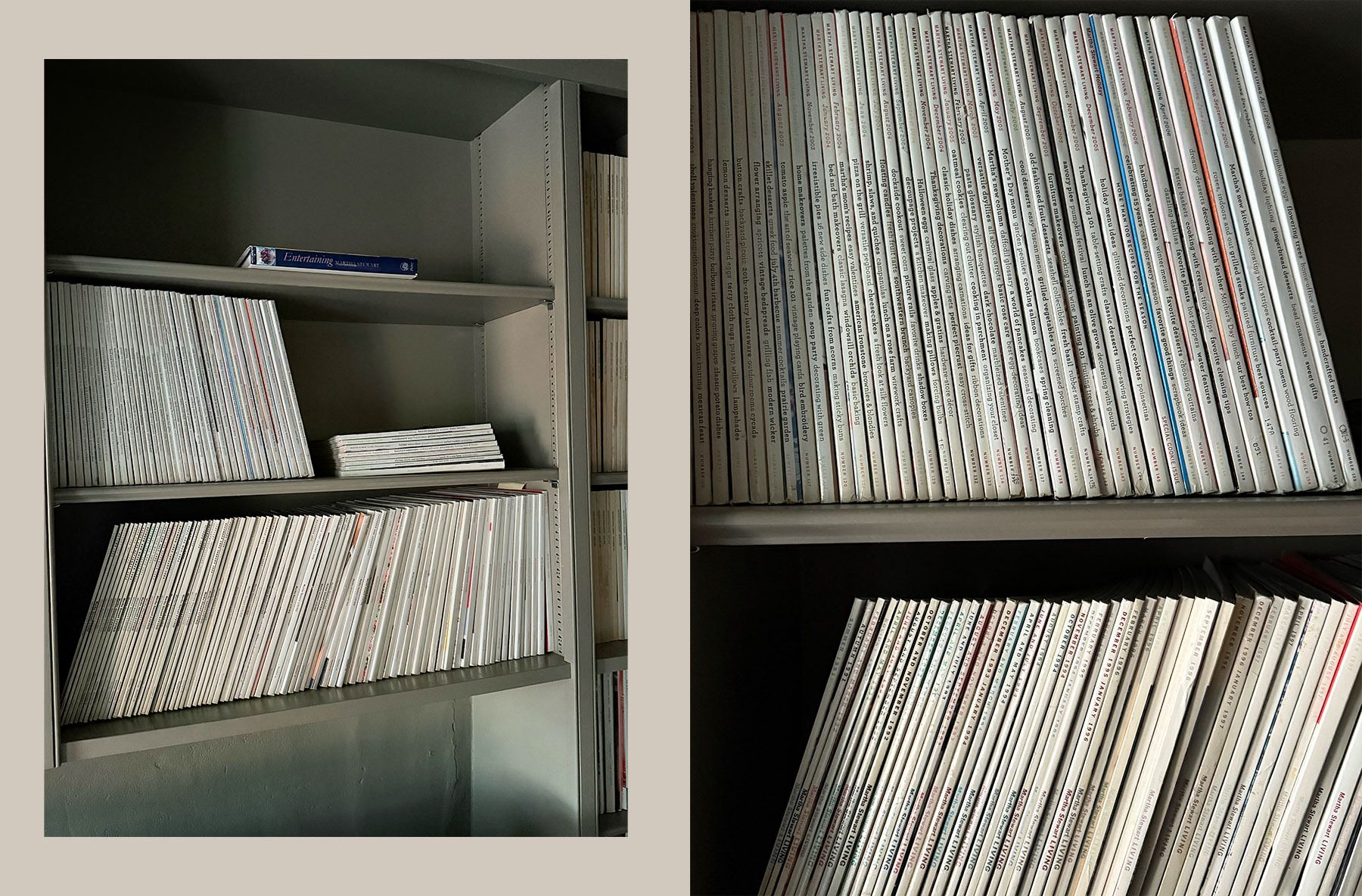
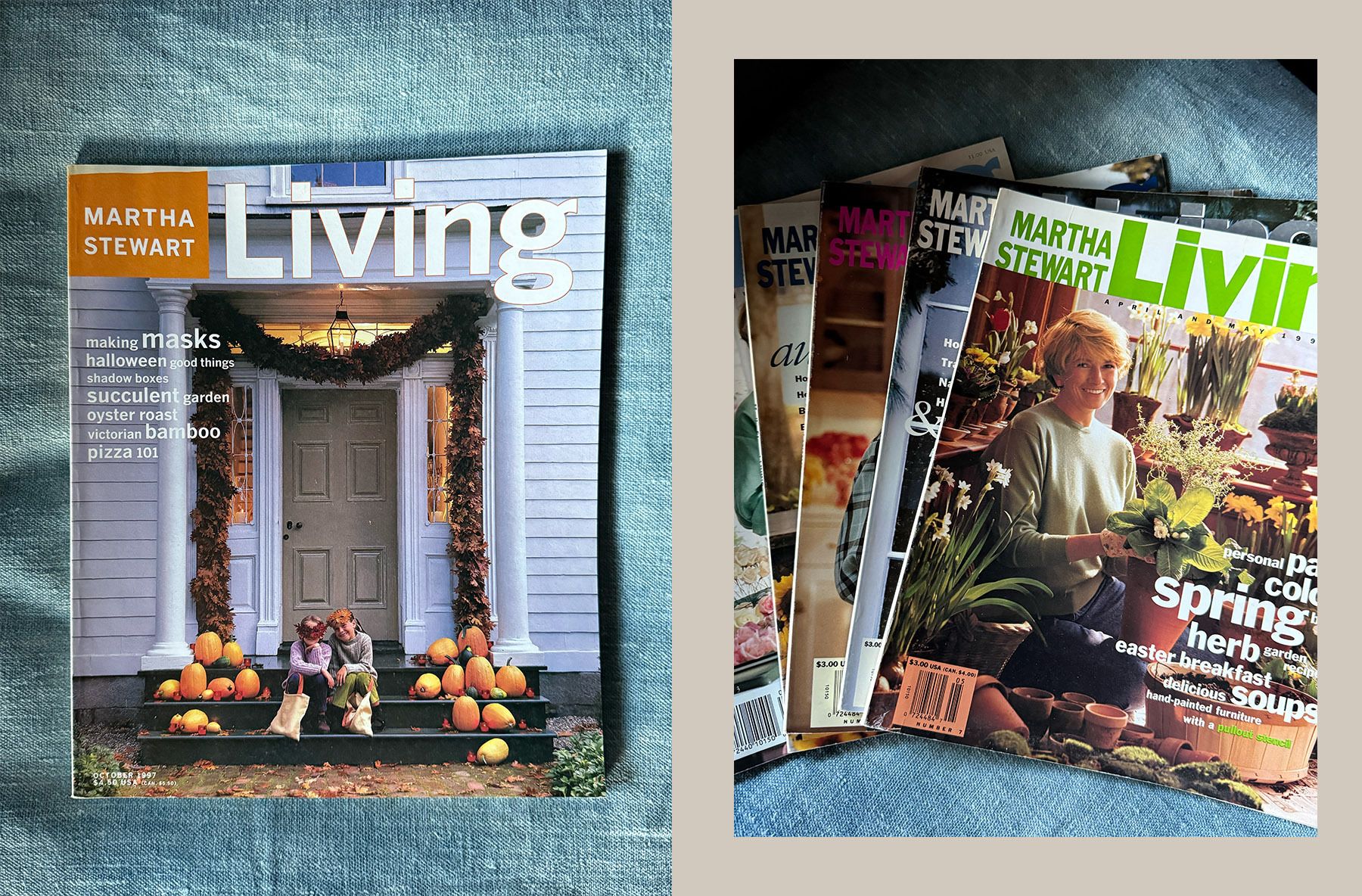
That’s when Earle mentioned he was preparing for a move—and looking to offload his personal archive: a near-complete run of Martha Stewart Living, from the magazine’s inception in 1990 to around 2004. Earle later returned to the shop at a later date with three heavy boxes as a gift. One hundred and twenty-five issues, carefully stored, quietly waiting for someone who would appreciate them. Widener was that lucky someone.
Courtesy of Widener Company
Courtesy of Widener Company
To Widener, the collection—and the serendipity of its arrival—represents much more than a nostalgic, secondhand score. It’s an emblem of what collecting can mean. “I know there are major things going on in the world right now, and maybe talking about magazines feels frivolous,” he says, “but I honestly think Martha Stewart Living changed the world. It got people interested in objects and their stories. It taught people how to find beauty in the everyday. It showed people how to live thoughtfully and how to be kind to the world around them. I’m endlessly inspired by that.”
For now, the archive is stacked tight in his home library. Widener has already catalogued each issue in a spreadsheet to identify what’s missing. Since posting about the collection on Instagram, he’s heard from other Martha heads and collectors across the country. “A few people have reached out offering to send me the issues I’m missing,” he adds. “It’s pretty exciting.”
A collector’s work, of course, is never finished. But for Widener, the thrill of this experience isn’t just in the acquisition—it’s in the story and the connection. The shared appreciation of great design, old things, and the paper trail they sometimes leave behind.

